Short Cycling in HVAC Systems: A Common but Overlooked Issue in Warmer Climates
If your air conditioner starts, runs for only a few minutes, and then shuts off again, you may be dealing with short cycling in HVAC systems. In Fairhope & Daphne, where summers are long, humid, and sunny, this behavior is common but far from normal. It chips away at comfort, strains parts, and can quietly raise your utility bills. The good news is that a focused diagnosis by a local pro can stop the cycle and protect your system.
Short Cycling in HVAC: What It Is and Why It Matters
Every cooling system is designed to run in steady cycles. A normal cycle allows the system to remove heat and pull moisture from the air before resting. Short cycling is when the system turns on and off too quickly to finish the job. That constant stop-start is tough on motors and compressors and leaves rooms sticky and uneven in temperature, especially during muggy afternoons in Fairhope & Daphne.
How Short Cycling Feels Inside Your Home
- Rooms cool in quick bursts, then warm back up within minutes.
- Air feels clammy because moisture is not removed well.
- The thermostat shows frequent temperature swings.
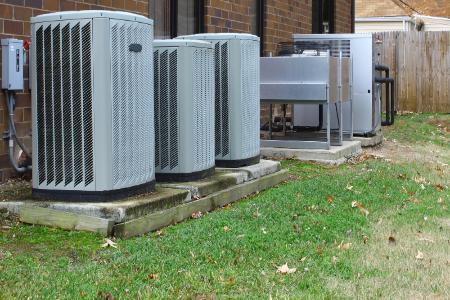
- The outdoor unit clicks or hums often, even at night.
Short cycling is not just a comfort problem. Short cycles add up to higher bills because starting a compressor repeatedly uses more energy than running a steady, complete cycle.
Why It Happens More Often in Hot, Humid Climates Like Fairhope & Daphne
Along the Eastern Shore of Mobile Bay, summer heat, sea breezes, and high humidity create a perfect storm for short cycling. Homes near the bayfront, in Montrose, or around Olde Towne Daphne often see sharp temperature swings in the late afternoon. Attics run hot, and moisture loads stay high. These local conditions exacerbate common system issues and cause equipment to start and stop more frequently.
Common Climate and Home Factors
- Oversized air conditioners that cool air fast but do not dehumidify well.
- Thermostats are placed in sunlit halls or near heat sources in the kitchen.
- Restricted airflow from dirty coils or high static pressure in ductwork.
- Refrigerant charge problems or safety controls that cut cycles short.
- Duct leaks in hot attics that trick the system into short, frequent runs.
In many Baldwin County homes, replacement units were selected to be "a little bigger just in case." Bigger is not better for humidity control. The system quickly cools the air surface temperature, shuts off, and leaves moisture behind. That moisture then makes rooms feel warmer, pushing the thermostat to call for cooling services again. The loop continues, and components wear out faster than they should.
The Real Costs: Comfort, Energy Bills, and Premature Wear
Short cycling can show up on your bill before you notice it in your living room. Start-up is the most energy-intensive part of a cycle. When it happens repeatedly, monthly usage climbs. You also get less dehumidification, which leaves you tempted to set the thermostat lower to feel dry. That change adds even more runtime.
Wear and tear is the other hidden cost. Compressors, contactors, and blower motors are built to run, not to start a dozen extra times an hour. Over time, electrical contacts and bearings wear early. Coils can frost due to poor airflow, and drain pans see more swings in condensation. Premature wear can shorten the useful life of your equipment and lead to inconvenient breakdowns during the hottest weeks of the year.
How Pros Diagnose Short Cycling
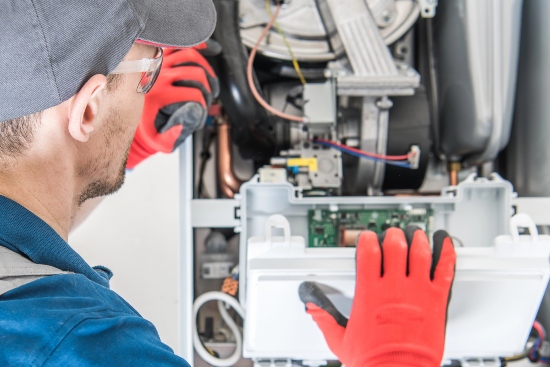
A trained technician approaches short cycling like a chain of clues. The goal is to find the root cause and confirm that the full cooling cycle can be completed under real conditions in Fairhope & Daphne. Here is how a professional visit typically unfolds:
Step 1: Interview and Thermostat Review
The tech notes when cycling occurs, checks thermostat settings, and looks at where it is installed. Placement near sunlight, supply registers, or ovens can mislead the system and shorten every cycle.
Step 2: Airflow and Ductwork Evaluation
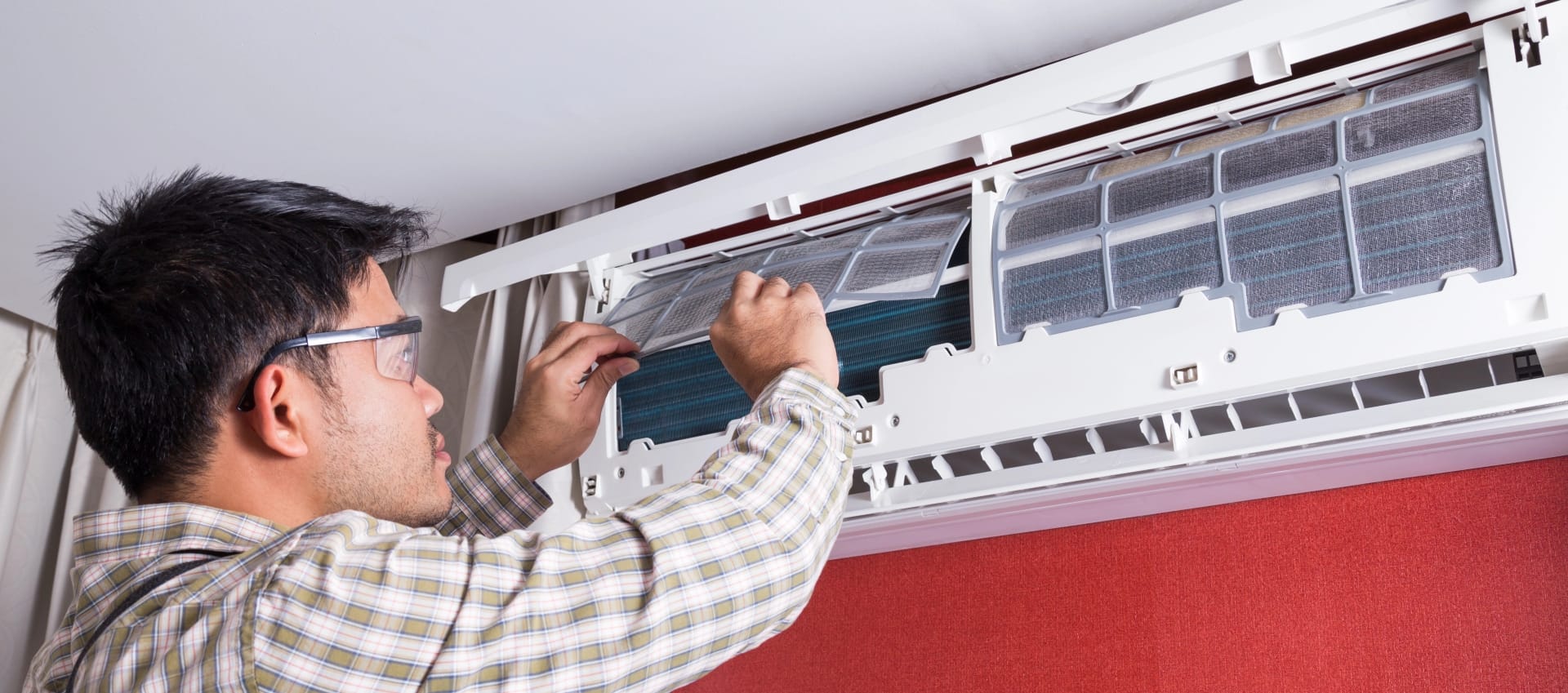
Next is airflow. The tech measures static pressure, inspects the blower wheel, and looks for crushed returns or disconnected ducts in the attic. Proper airflow supports full, even cycles and steady moisture removal.
Step 3: Refrigerant and Coil Health
Using gauges and temperature readings, the tech checks refrigerant levels and coil performance. The aim is to rule out low charge, restriction, or coil freeze that can trigger safety switches and early shutoff.
Step 4: Electrical and Safety Controls
Lastly, the tech confirms that capacitors, contactors, sensors, and boards respond as designed. Heat pumps in our area also need the correct defrost logic for shoulder seasons, or they can short-cycle during cool, damp mornings.
If the diagnosis points to a performance tune-up or corrections, scheduling prompt HVAC service helps restore full, efficient cycles before peak heat settles in.
Prevention and Long-Term Fixes for Baldwin County Homes
Once the cause is clear, your technician can recommend a plan that fits your home, equipment age, and comfort goals. Solutions vary, but the aim is always to complete steady cycles that control both temperature and humidity.
Right-Sizing and System Controls
For replacement projects or homes with chronic humidity, proper load calculation matters more than tonnage. Right-sizing prevents short cycling and keeps your air drier on the stickiest days. Advanced thermostats with humidity control or staged cooling can also smooth out cycles without overcooling.
Ductwork and Airflow Improvements
Sealing return leaks, resizing undersized runs, or adjusting blower speed can stabilize cycle length. Balanced airflow lets the coil absorb heat and moisture as designed, reducing the urge to cycle on and off.
Maintenance that Matches Our Climate
Regular professional maintenance helps your system cope with salt air, pollen, and long cooling seasons. A seasonal visit before the first real heat wave gives your equipment a clean start. Many homeowners choose an hvac maintenance plan to keep cycles steady and warranties in good standing.
What Makes Short Cycling More Likely in Your House
Two homes on the same street can behave differently. Construction style, insulation levels, window exposure, and attic ventilation all play a role. In areas like Malbis or near the Bay Bluffs, late-day sun can load certain rooms faster. If your thermostat "sees" that heat first, it may drive short, frequent calls even when bedrooms remain warm and damp.
Placement of return grilles also matters. Returns pulling warm attic air through leaks cause the system to chase false heat signals. Over time, that pattern becomes your home's new normal unless airflow is corrected.
Comfort You Can Feel: What a Proper Cycle Delivers
When short cycling is fixed, you should notice steadier temperatures, drier air, and quieter operation. Rooms that used to swing from chilly to muggy will settle into a consistent feel. The system will also spend more time in the efficient part of the cycle, rather than burning energy at start-up. That is how steady cycles pay you back month after month.
When to Call an HVAC Company in Fairhope & Daphne
It is time to bring in a pro if your system shuts off within five to eight minutes and does this several times an hour during normal summer use. It is also smart to call if humidity stays high even though the thermostat shows your setpoint. Frequent clicking at the outdoor unit, musty odors, or sudden bill spikes are other red flags that short cycling is at work.
Do not keep resetting a tripped system after brief outages. That habit can cause even more rapid cycling and damage sensitive electrical components. A technician can evaluate controls and power quality and confirm your system is safe to operate.
You can read more about our team and service area on the home page or speak with a comfort specialist today. Schedule a short cycling HVAC inspection with 5 Starr Plumbing Heating and Air today at 251-989-0011. Restoring full, efficient cycles protects comfort, reduces waste, and helps your equipment last longer.
The Bottom Line for Fairhope & Daphne Homeowners
Short cycling is common along the Gulf Coast, but it is not normal. It wastes energy, wears parts, and leaves the air sticky. A careful diagnosis, targeted repairs, and maintenance built for our climate will break the cycle and bring back quiet, steady comfort. If your system is short cycling, acting early protects your investment and helps avoid peak-season breakdowns when you need cooling the most.
For trusted help in Fairhope & Daphne, reach out to 5 Starr Plumbing Heating and Air. Our local team understands the heat, humidity, and housing styles in our area, and we are ready to get your system running the way it should at 251-989-0011. Call today for the top HVAC company services in the Fairhope & Daphne area.